How to Conduct a Competitive SEO Analysis That Actually Improves Rankings
Why Your Competitors Are Outranking You
Every SEO professional has stared at a SERP and wondered why a rival site ranks higher. The answer rarely comes down to luck. It comes down to understanding the specific factors that search engines reward for your target queries. That understanding is what competitive seo analysis delivers. Without it, you are guessing. With it, you build a roadmap based on evidence.
I have spent years running SEO campaigns across multiple industries. The pattern I see most often is not a lack of effort. It is a lack of direction. Teams publish content, build links, and tweak meta tags, but they never step back to see what the market leader is doing differently. Competitive seo analysis gives you that view. It replaces assumptions with data.
What Competitive SEO Analysis Actually Means
Competitive seo analysis is the process of evaluating your competitors' online presence to identify the strategies driving their rankings. It goes beyond checking who ranks first for a keyword. It examines their backlink profile, their content depth, their technical setup, and the user experience they deliver. The goal is to find gaps in your own approach and close them.
The phrase "competitive seo analysis" might sound like a buzzword, but it is a practical discipline. When I first started using it systematically, I discovered that a competitor was ranking for dozens of terms I had ignored simply because they had a single well-structured guide on the topic. That insight shifted my entire content strategy.
Tools That Make the Analysis Actionable
You cannot do this work manually at scale. The web is too big. Tools like Semrush and Ahrefs are essential for pulling competitor keyword data and backlink profiles. Moz provides domain authority metrics that help you gauge the relative strength of competing sites. Google Search Console and Google Analytics give you first-party data about your own performance, which is the baseline for any comparison.
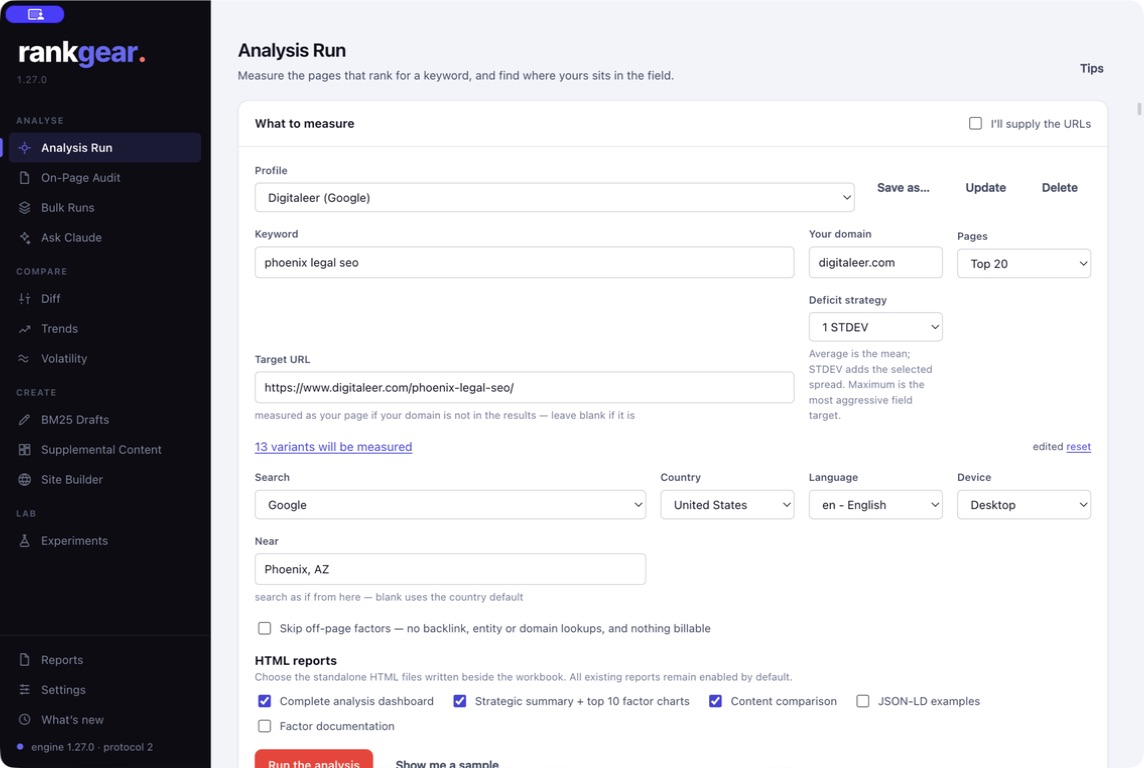
For technical audits, Screaming Frog is my go-to. It crawls a competitor's site structure and reveals issues like thin content, missing meta descriptions, or broken links. MozBar adds on-the-fly visibility when you are browsing competitor pages, showing page authority and link metrics without leaving the browser. Google Keyword Planner and Google Trends help validate whether the keywords your competitors target actually have search volume and momentum.
Each tool has strengths and blind spots. Semrush is excellent for keyword gap analysis, but its backlink data can lag behind Ahrefs. Ahrefs has a deeper backlink index, but its content gap analysis features are less intuitive. The trick is to use them together, not to rely on a single source of truth.
Starting with Competitor Benchmarking
Before you dive into specifics, you need to know who you are up against. Competitor benchmarking sets the baseline. List the sites that rank in the top ten for your core keywords. For each one, note their domain authority, their estimated organic traffic, and the number of pages indexed. This gives you a quick sense of the competitive landscape.
I once worked with a client whose main competitor had a domain authority of 72 while the client sat at 38. That gap told us we could not win on link building alone in the short term. Instead, we focused on long-tail keywords where the competitor had weak content. Within six months, the client's organic CTR doubled for those terms.
Keyword Gap Analysis and Content Gap Analysis
Keyword gap analysis is the process of finding keywords your competitors rank for but you do not. This is often the quickest way to discover new opportunities. Run a report in Semrush or Ahrefs that compares your domain against two or three top competitors. The results will show you terms where you are completely absent.
Content gap analysis takes that a step further. It looks at the topics and formats your competitors cover that you have not addressed. For example, a competitor might have a comprehensive guide on "on-page optimization for ecommerce" that includes video tutorials and downloadable checklists. You might have a single blog post on the same subject. The gap is not just the keyword, it is the depth and format of the content.
When I do this analysis for clients, I always check SERP features. A competitor might rank for a keyword because they have a featured snippet or a People Also Ask box. Those features drive traffic without requiring a top-three organic position. If you are not targeting SERP features, you are leaving easy wins on the table.

Backlink Profile and Link Building Insights
Backlinks remain one of the strongest ranking signals. Analyzing a competitor's backlink profile shows you where they earn links and what kind of content attracts them. Ahrefs and Moz both offer tools to export a competitor's backlinks. I look for patterns: do they get links from guest posts, resource pages, or industry roundups?
One specific technique I use is to find a competitor's most linked-to page and then create something better. If their guide on "competitive seo analysis" has twenty backlinks but is three years old and missing recent data, I can publish an updated version with fresh statistics and deeper advice. That is how you close a link gap without chasing random directories.
PageRank is no longer the only metric that matters, but the concept of link equity still applies. A single link from a high-authority site can move the needle more than dozens of low-quality links. Focus your outreach on sites that link to multiple competitors. Those sites are already interested in your niche.
On-Page Optimization and Technical Differences
Once you have the keyword and link data, look at the pages themselves. On-page optimization includes title tags, meta descriptions, header structure, internal linking, and content length. I use Screaming Frog to crawl competitor sites and compare their page structures to mine.
A common finding is that competitors use more descriptive headings and include related keywords naturally in the body. They might also have faster load times or better mobile rendering. Google Search Console can show you which of your pages have poor click-through rates. Compare those pages against competitor pages ranking for the same terms. Often, the difference is a more compelling title or a richer snippet.
Putting It All Together Without Getting Lost
The danger of competitive seo analysis is analysis paralysis. You can spend weeks pulling reports and never take action. I set a rule: for every hour of analysis, I spend at least two hours implementing changes. The analysis is only valuable if it leads to concrete steps.
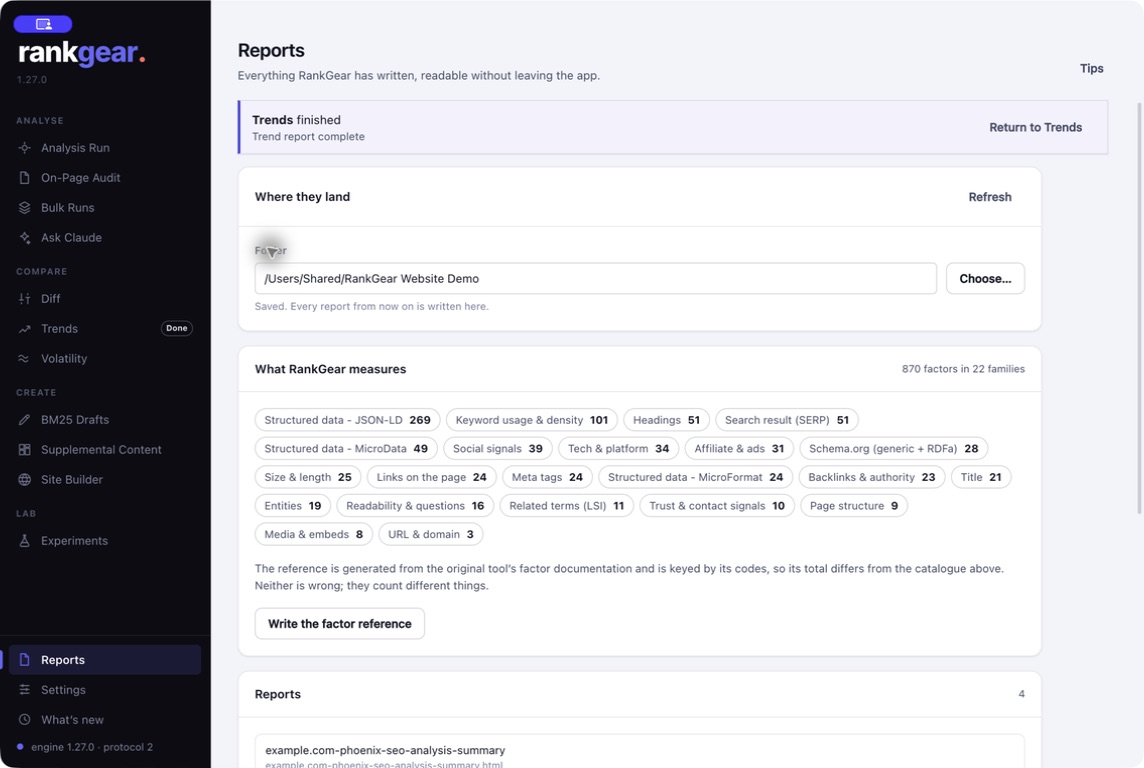
Start with one query cluster. Identify the top three competitors. Run a keyword gap analysis and a content gap analysis. Pick the three biggest gaps and create a plan to fill them. Then move to the next cluster. Over time, this builds a systematic advantage.
Example from a Recent Campaign
I recently worked with a SaaS company that was stuck at position 12 for a high-value term. Their competitor keyword analysis showed that the top three results all included a comparison table and a pricing section. The client's page had neither. We added a comparison table, updated the pricing information, and built internal links from related blog posts. Within two months, the page moved to position 5. No new backlinks, no redesign. Just better content based on what the competition was doing.
That is the power of competitive seo analysis. It is not about copying. It is about understanding the specific factors that work in your niche and applying them better than anyone else.